INTRO- TRAFFIC LIGHT
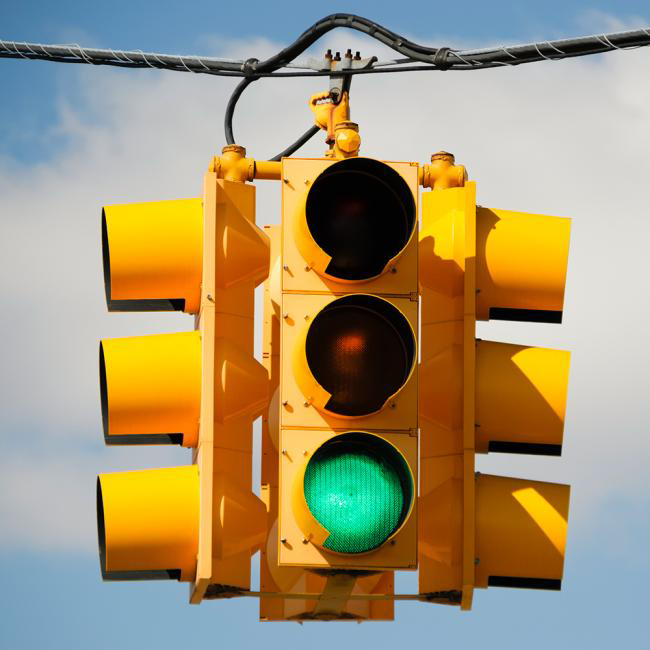
What is a traffic light and what is its usage and its significance? A traffic light is a metal object filled with many wires and different electric systems that help regulate the traffic activity at an intersection. And with its long history, from being a device that was manually controlled, not even a device but gas powered to a much more modern, advanced, efficient traffic signal. In 1868, J.P. Knight, a British railway engineer, invented this gaslit traffic light to control traffic of horse carriages, an officer had to manually control this traffic light. Later on, in 1920 William Potts a Detroit Policeman invented the First Fourways and three colored traffic lights introducing yellow lights to notify drivers that it will soon turn red. In 1950 it was when these traffic lights had computerized detection and pressure plates placed at intersections to let computers know that a car was waiting at a red light. And after that technology got more and more advanced that it led to frequent improvements, in 1960 as computers improved, they could monitor traffic and change lights in an even more efficient way, to 1990 the countdown timer was introduced to traffic lights to help pedestrians know whether they have enough time to cross the road before the signal changes color, and in 2010 Connected vehicles can communicate with traffic signals and other vehicles. Its importance in the real world is very significant, for controlling and regulating the traffic of the streets of NY and not even that of the entirety of America, since without it it would result in car crashes that lead to injuries and fatal injuries, possibly tons of deaths. Apart from that it also guides the cars the right of way and improves the flow of traffic.
KEY COMPONENTS OF A TRAFFIC SIGNAL
Signal Housing
The signal housing is the external protective enclosure of the traffic light. It is typically constructed from polycarbonate, aluminum, or fiberglass-reinforced plastic to provide durability, corrosion resistance, and protection against environmental exposure. The housing contains individual compartments for each signal indication and includes internal mounting points for optical modules and electrical wiring. It is designed to be weatherproof and impact-resistant.
LED Signal Module
The LED signal module is the illumination component of the traffic light. It consists of an array of high-intensity light-emitting diodes mounted on a printed circuit board. The module includes a lens assembly, reflector, heat sink, and driver circuitry to regulate voltage and manage heat dissipation. LED modules provide high visibility, low energy consumption, and extended service life compared to incandescent lamps.
Visor
The visor is a cylindrical or tunnel-shaped extension mounted above each signal lens. It is typically made from UV-resistant plastic or coated metal. The visor reduces glare from direct sunlight, improves contrast for drivers, and protects the lens from rain and debris. It also minimizes the “sun phantom” effect, where reflected sunlight makes a signal appear illuminated.
Mounting Bracket and Support Connection
The mounting bracket is a mechanical support component that secures the signal head to a pole or mast arm. It is usually constructed from galvanized steel or aluminum to withstand wind loads and vibration. The bracket allows vertical or horizontal adjustment to ensure proper alignment toward approaching traffic lanes. Internal wiring passes through the mounting assembly to connect the signal head to the traffic signal controller.
Conclusion
The traffic light is a key component of traffic control, helping to manage the movement of vehicles and pedestrians at intersections. By showing red, yellow, and green signals, it provides clear and necessary instructions that reduce confusion and prevent accidents that lead to minor to major injuries. A traffic light is made up of several important parts: a durable housing that protects its internal components, LED modules that produce bright and energy-efficient light, visors that block sunlight and improve visibility, and mounting hardware that holds the unit securely in place. Each part plays a role in making sure the signal works reliably and is easy to see for drivers and pedestrians.
Overall, the traffic light is more than just a metal box that consists of three led bright colors that represents each color very significant in the driving side, it is a carefully designed device that combines engineering, electronics, and safety features to keep roads organized and safe. Its presence at intersections helps control traffic flow, reduce accidents, and improve the efficiency of transportation systems.
REFERENCE PAGE

